


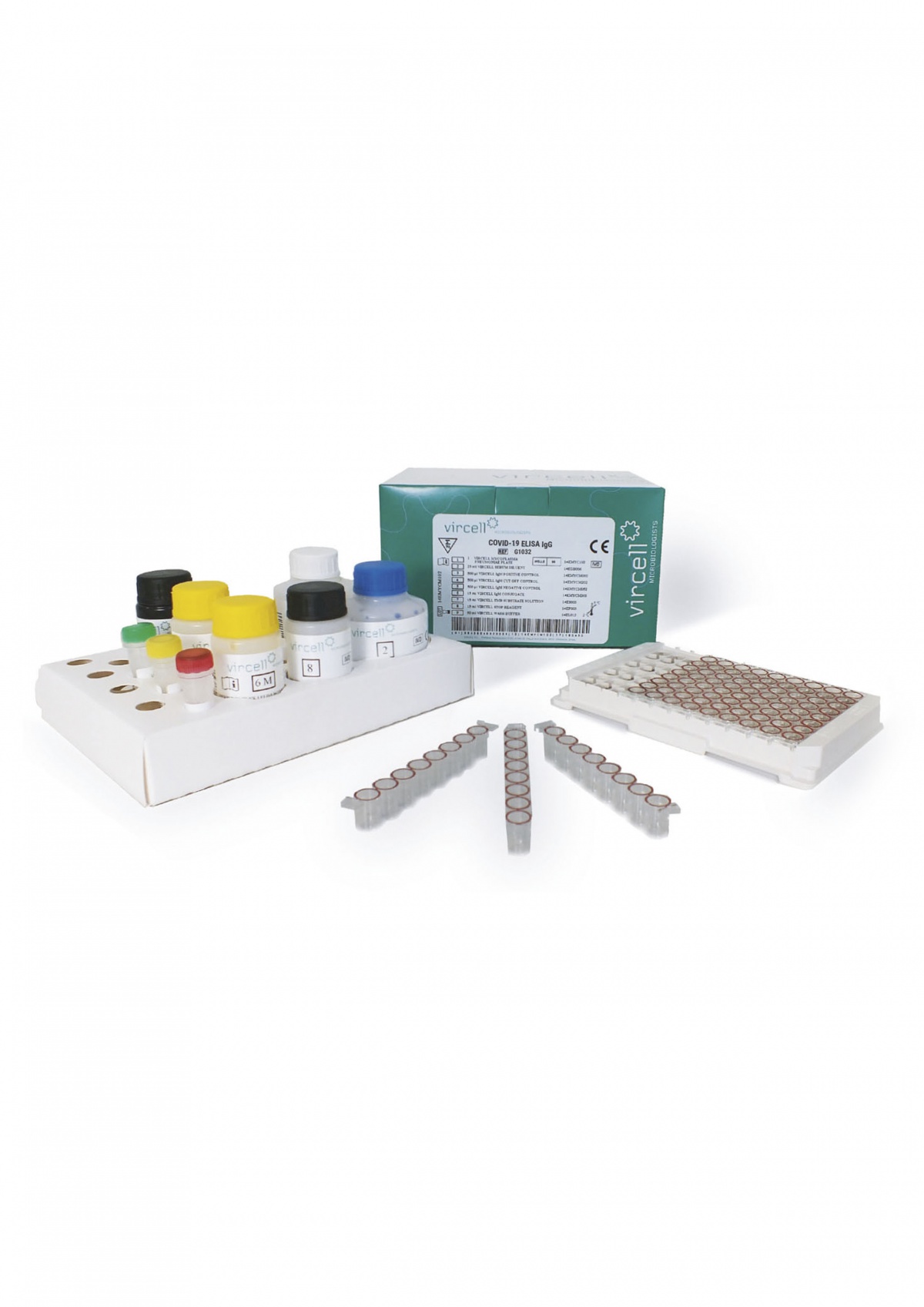
SARS‐CoV‐2 (Severe Acute Respiratory Syndrome Coronavirus 2) is a new pathogen that emerged in the Chinese province of Hubei in December 2019 and spread worldwide in the following months having been declared pandemic in March 2020. Coronaviruses are enveloped, positive‐sense, and single‐stranded RNA viruses. SARS‐CoV‐2 shows great genetic homology with SARS‐CoV and other SARS‐like bat coronaviruses. The disease has been named as COVID‐19 and may manifest either as an asymptomatic infection, a mild upper respiratory tract infection or a severe viral pneumonia with respiratory failure and even death. COVID‐19 outbreaks cause significant mortality and morbidity. The signs and symptoms at illness onset include fever, cough, fatigue, anorexia, shortness of breath, sputum production or myalgias. Age and several co‐morbidities (diabetes, cardiovascular or respiratory chronic diseases) are strong risk factors for severe illness, complications, and death. Transmission occurs mostly from person‐to‐person via respiratory droplets among close contacts. Aerosol and fomite transmission are plausible. Detection of the virus nucleic acid in samples from the upper and lower respiratory tract is the most reliable laboratory diagnosis. Viral RNA shedding is greatest at the time of symptom onset and declines over the course of infection. The detection of RNA during convalescence does not necessarily indicate the presence of viable infectious virus. The sample type and collection procedure as well as the method of extraction may impact the recovery of viral RNA and lead to false negative results. Early serological responses have been described with a mean time of 11 days after symptom onset. Several relevant applications have been pointed out for serological tests: as an aid in diagnosis of patients with several days of evolution, or in suspected cases with repeatedly negative RNA results; in epidemiological serosurveys to determine the precise rate of infection; in the identification of individuals who could serve as donors for plasma immunotherapy strategies; to determine the immune status of individuals, specially in healthcare workers in order to limit their risk of exposure or inadvertent spread of the virus. The spike protein and the nucleoprotein have been suggested as the main targets for the measurement of antibody responses.

Vircell
- це біотехнологічна компанія, що спеціалізується на розробці та виробництві готових до використання реагентів для інфекційних захворювань людини. Компанія присутня в лабораторіях понад 80 країн світу на п'яти континентах. Vircell пропонує понад 400 посилань на виявлення бактерій, вірусів, паразитів за допомогою різних методик: ІФА, хемілюмінесценція, пряма та непряма імунофлуоресценція, імунокаптаційна аглютинація, культура клітин та молекулярна біологія (олігохроматографія та контроль ПЛР).
Компанія Vircell, Гранада - Іспанія


