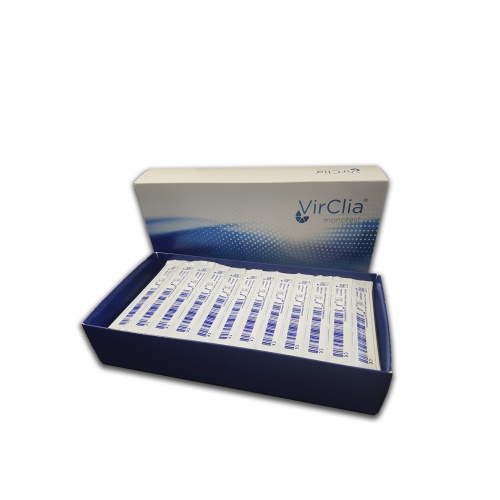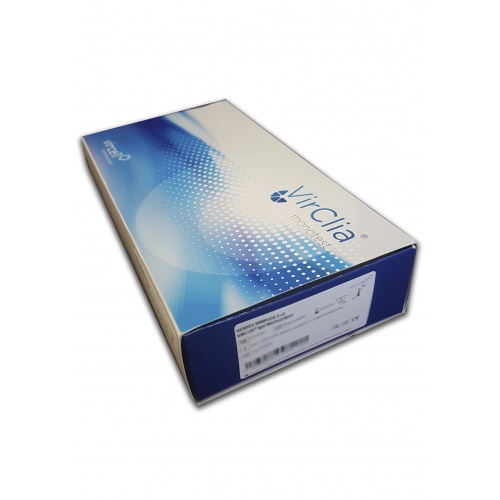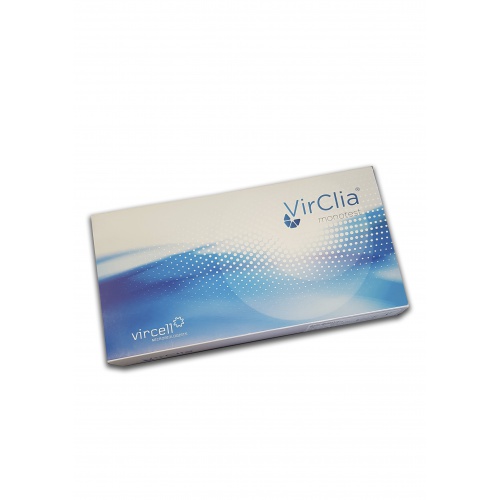
Chagas is caused by the parasite Trypanosoma cruzi, which is transmitted to animals and people by insect vectors (triatomine bugs) that are found only in the Americas (mainly, in rural areas of Latin America). People also can become infected through consumption of uncooked food contaminated with feces from infected bugs, congenital transmission, blood transfusion, organ transplantation and accidental laboratory exposure. It is estimated that as many as 8 to 11 million people in Mexico, Central America, and South America have Chagas disease, most of whom do not know they are infected. If untreated, infection is lifelong and can be life threatening. There are two phases of Chagas disease: the acute phase and the chronic phase. Both phases can be symptom free or life threatening. The acute phase lasts for the first few weeks or months of infection. It is usually symptom free or exhibits only mild symptoms (fever, fatigue, body aches, headache, rash, loss of appetite, diarrhea, and vomiting). The most recognized marker of acute Chagas disease is called Romaña's sign, which includes swelling of the eyelids on the side of the face near the bite. The symptoms usually resolve within a few weeks, but the infection, if untreated, persists. Rarely, young children (<5%) or immunocompromised patients die from severe inflammation/infection of the heart muscle (myocarditis) or brain (meningoencephalitis). During the chronic phase, the infection may remain silent for decades or even for life. In this stage some people develop cardiac (cardiomyopathy, heart failure, altered heart rhythm, cardiac arrest) and intestinal complications (megaesophagus or megacolon). Detection of antibodies is the main method for the diagnosis of Chagas. The most employed assays hve been indirect hemagglutination, indirect immunofluorescence and ELISA with whole or semipurified antigens from T. cruzi epimastigotes. Cross-reactions, specially with sera from leishmaniosis patients, have been a major drawback of these tests. This has led to the search of individualized antigens (in the form of recombinant proteins or synthetic peptides) to improve the performance of CLIA tests. Three pure proteins bearing the major antigenic epitopes of FRA (a cytoskeleton-associated protein), B13 (a trypomastigote surface protein) and MACH (Multiantigenic recombinant protein (PEP2, TcD, TcE, SAPA)) are mixed in Vircell´s CLIA to obtain optimal results in sensitivity and specificity. Detection methods based on chemiluminescence have received much attention due to their low background, linearity and wide dynamic range. When coupled to enzyme immunoassays, the signal amplification effect provided by the enzyme enables the design of CLIA (ChemiLuminescent ImmunoAssay) tests with shorter incubation times while keeping or improving their sensitivity.

Vircell
- це біотехнологічна компанія, що спеціалізується на розробці та виробництві готових до використання реагентів для інфекційних захворювань людини. Компанія присутня в лабораторіях понад 80 країн світу на п'яти континентах. Vircell пропонує понад 400 посилань на виявлення бактерій, вірусів, паразитів за допомогою різних методик: ІФА, хемілюмінесценція, пряма та непряма імунофлуоресценція, імунокаптаційна аглютинація, культура клітин та молекулярна біологія (олігохроматографія та контроль ПЛР).
Компанія Vircell, Гранада - Іспанія