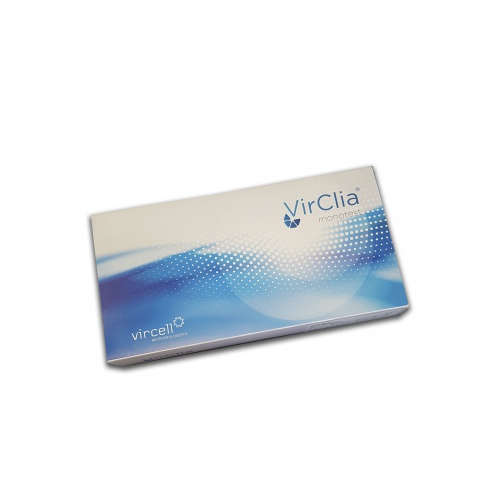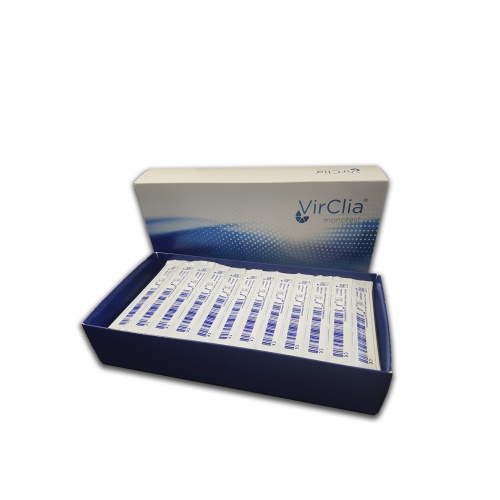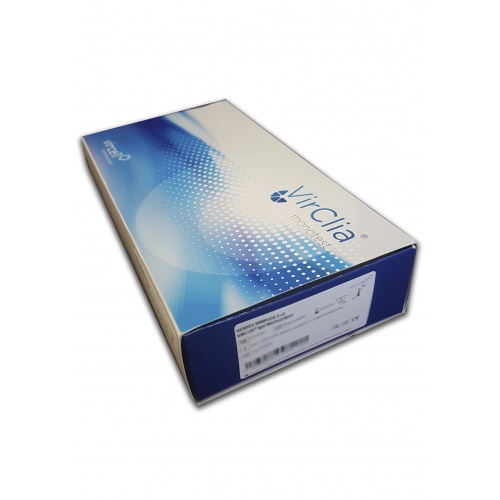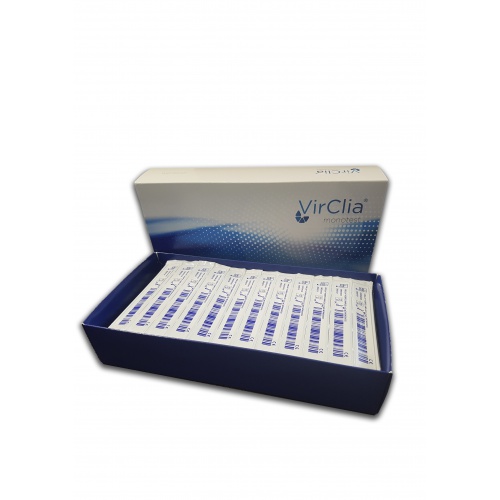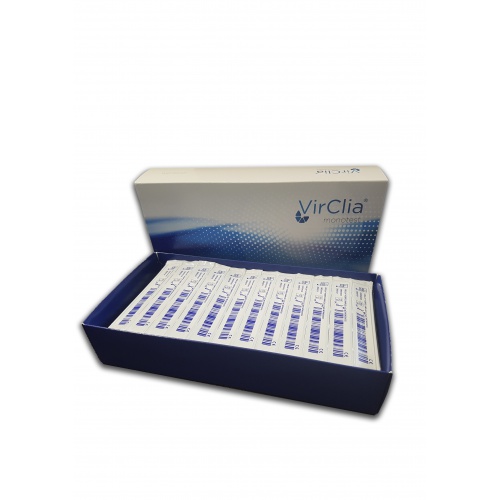
Dengue (DF) and dengue hemorrhagic fever (DHF) are caused by one of four closely related, but antigenically distinct, virus serotypes (DEN-1, DEN-2, DEN-3, and DEN-4), of the genus Flavivirus. DF and DHF are primarily diseases of tropical and sub tropical areas, and the four different dengue serotypes are maintained in a cycle that involves humans and the Aedes mosquito. Infections produce a spectrum of clinical illness ranging from a nonspecific viral syndrome to severe and fatal hemorrhagic disease. Clinical manifestations include rash, sudden onset of fever, chills, severe headache, nausea, myalgias and arthralgias, leukopenia, thrombocytopenia and hemorrhagic manifestations. It occasionally produces shock and hemorrhage, leading to death. Important risk factors for DHF include the strain of the infecting virus, as well as the age, and especially the prior dengue infection history of the patient. Dengue viraemia appears to be universal in febrile patients with dengue; it occurs prior to the onset of fever and symptoms and peaks 2–3 days after the onset of illness. A diagnosis of acute infection with dengue virus can be made by isolating the virus or by detecting viral genome or antigen. Serologically, a primary infection with dengue virus results in detectable levels of IgM antibodies by the third afebrile day after infection. These IgM antibodies persist for 1–2 months after infection. IgG antibodies are detected approximately 14 days after onset of primary infections. Secondary infections with dengue virus are characterized by a rapid increase in IgG antibody levels. Owing to the relatively late increase in antibody levels to a concentration that can be detected diagnostically, a negative result for an antibody test early in the course of disease is not definitive. Specimens should be collected at least 7 days after the onset of symptoms in order to rule out the possibility of an acute infection with dengue virus. Serology is the most widely applied method used in routine diagnosis. Traditionally, hemagglutination inhibition and virus neutralization tests have been used. At present ELISAs for IgM and IgG antibodies are the standards for the serological analysis of dengue virus infections, as they are simple and allow large numbers of samples to be tested. Detection methods based on chemiluminescence have received much attention due to their low background, linearity and wide dynamic range. When coupled to enzyme immunoassays, the signal amplification effect provided by the enzyme enables the design of CLIA (ChemiLuminescent ImmunoAssay) tests with shorter incubation times while keeping or improving their sensitivity.

Vircell
- це біотехнологічна компанія, що спеціалізується на розробці та виробництві готових до використання реагентів для інфекційних захворювань людини. Компанія присутня в лабораторіях понад 80 країн світу на п'яти континентах. Vircell пропонує понад 400 посилань на виявлення бактерій, вірусів, паразитів за допомогою різних методик: ІФА, хемілюмінесценція, пряма та непряма імунофлуоресценція, імунокаптаційна аглютинація, культура клітин та молекулярна біологія (олігохроматографія та контроль ПЛР).
Компанія Vircell, Гранада - Іспанія