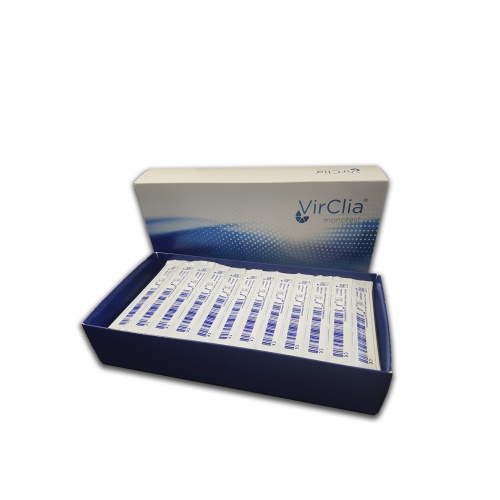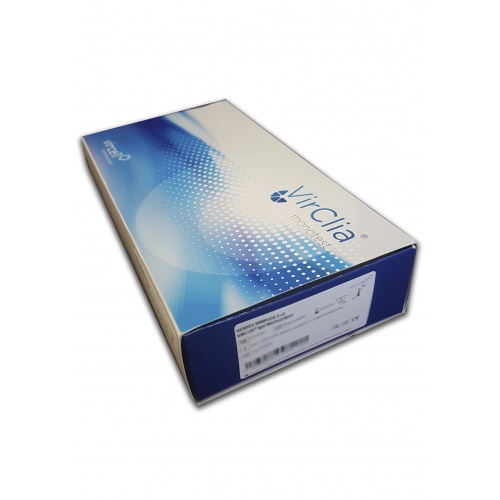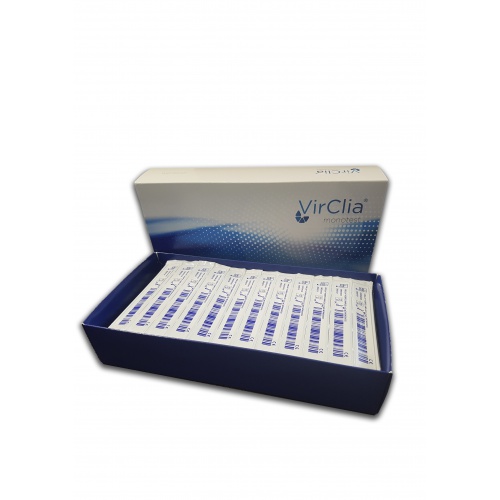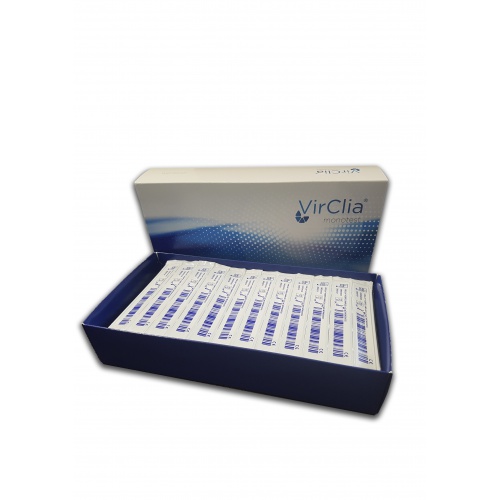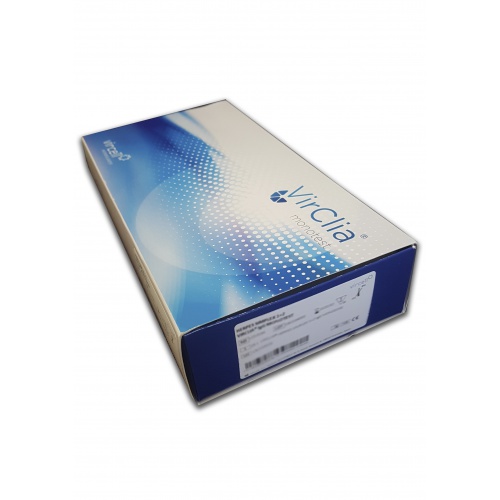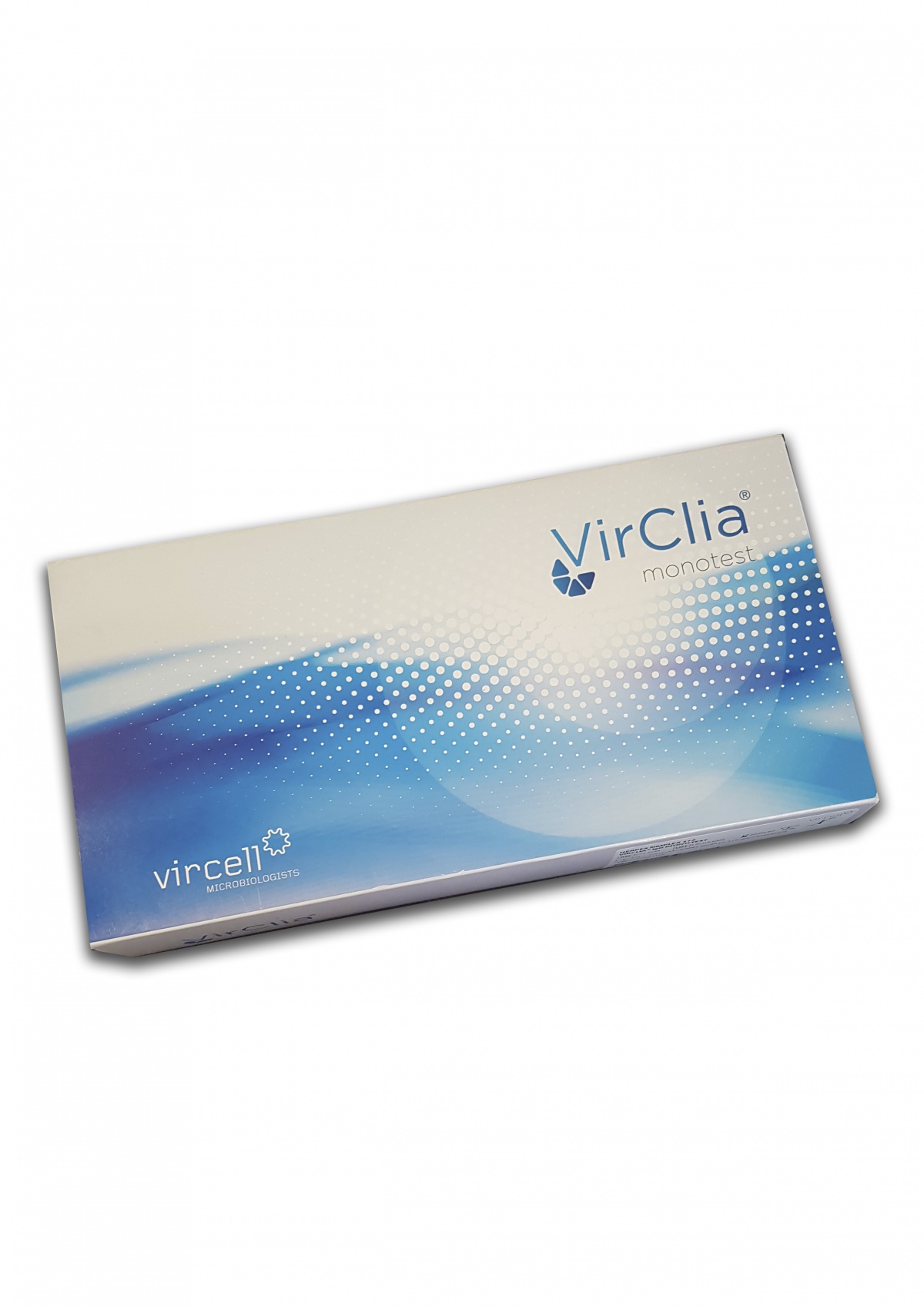
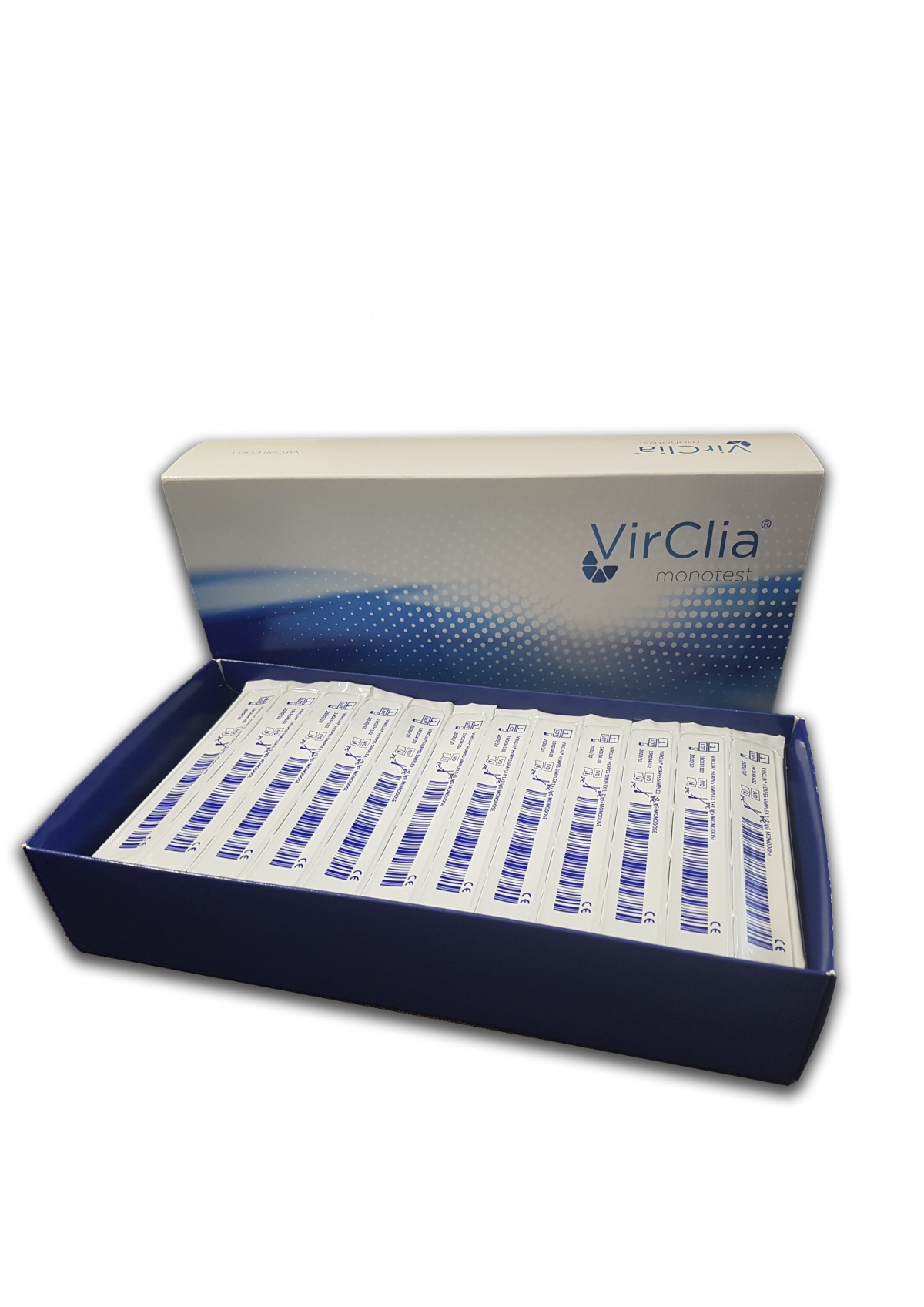


The parvoviruses are small spherical virus with a genome of single chain DNA without lipid envelope. Parvovirus B19 only infects and is transmitted between humans. Approximately 50% of the adult population has been infected sometime during childhood or adolescence. It usually causes a mild illness that resolves without medical treatment in the immunocompetent adults and children. The disease usually appears in children as erythema. Arthritis without rash is a common manifestation of the B19 infection in adults. In immunosuppressed patients, infection can persist, causing severe acute anemia. The most important complication appears in women during pregnancy. Approximately 50% of women are immune to parvovirus B19 and they and their babies are protected against infection. Despite that most of women who suffer a B19 infection during pregnancy, have a healthy baby to term, parvovirus B19 can cross the placenta, infect the fetus and cause hydrops and fetal death. This happens in less than 5% of pregnant women infected with parvovirus B19 and happens more commonly during the first half of pregnancy. The infection is contagious during the early phase of disease before the rash appears. The virus is probably transmitted person to person by direct contact with respiratory secretions of infected persons. Because parvovirus B19 is unable to replicate in culture, serological tests with PCR techniques are used for the B19 diagnosis. During the acute illness, parvovirus B19 is found mainly in blood, with a severe decrease in the level of viremia that coincides with the start of production of specific antibodies against B19. For this reason, the diagnosis of parvovirus B19 infection in immunocompetent patients is carried out mainly by antiviral antibody ELISA and IFI. However, PCR methods are particularly useful in patients who don't have adequate antibody immune response, immunocompromised individuals and fetuses. Specific IgM antibodies against parvovirus B19 is detectable in serum within 7 to 10 days after infection, and if present, indicate a recent or acute infection. Characteristically, the specific IgM against parvovirus B19 can be measured for 2 to 3 months after the start infection before they drop to undetectable levels. The production of specific IgG antibodies against parvovirus B19 happens between 10 and 12 days after infection, almost as soon as they become detectable specific IgM. Circulating specifics IgG antibodies to parvovirus B19 may persist for years in most individuals, and, if they are present, it's believed that to provide protective immunity. Detection methods based on chemiluminescence have received much attention due to their low background, linearity and wide dynamic range. When coupled to enzyme immunoassays, the signal amplification effect provided by the enzyme enables the design of CLIA (ChemiLuminescent ImmunoAssay) tests with shorter incubation times while keeping or improving their sensitivity.

Vircell
- це біотехнологічна компанія, що спеціалізується на розробці та виробництві готових до використання реагентів для інфекційних захворювань людини. Компанія присутня в лабораторіях понад 80 країн світу на п'яти континентах. Vircell пропонує понад 400 посилань на виявлення бактерій, вірусів, паразитів за допомогою різних методик: ІФА, хемілюмінесценція, пряма та непряма імунофлуоресценція, імунокаптаційна аглютинація, культура клітин та молекулярна біологія (олігохроматографія та контроль ПЛР).
Компанія Vircell, Гранада - Іспанія